Skylights Rooflights for Architectural Elegance
Skylights: A Complete Guide Before You Install
Skylights have the ability to transform interior spaces by boosting natural light and enhancing airflow. They are available in a range of styles, each tailored to various architectural demands. Nevertheless, prospective buyers should take into account factors like positioning, roofing suitability, and ongoing maintenance needs. Even though the benefits are apparent, issues may surface once installation is complete. Understanding these aspects is essential for anyone contemplating this addition to their home. What should homeowners know before making this important decision?
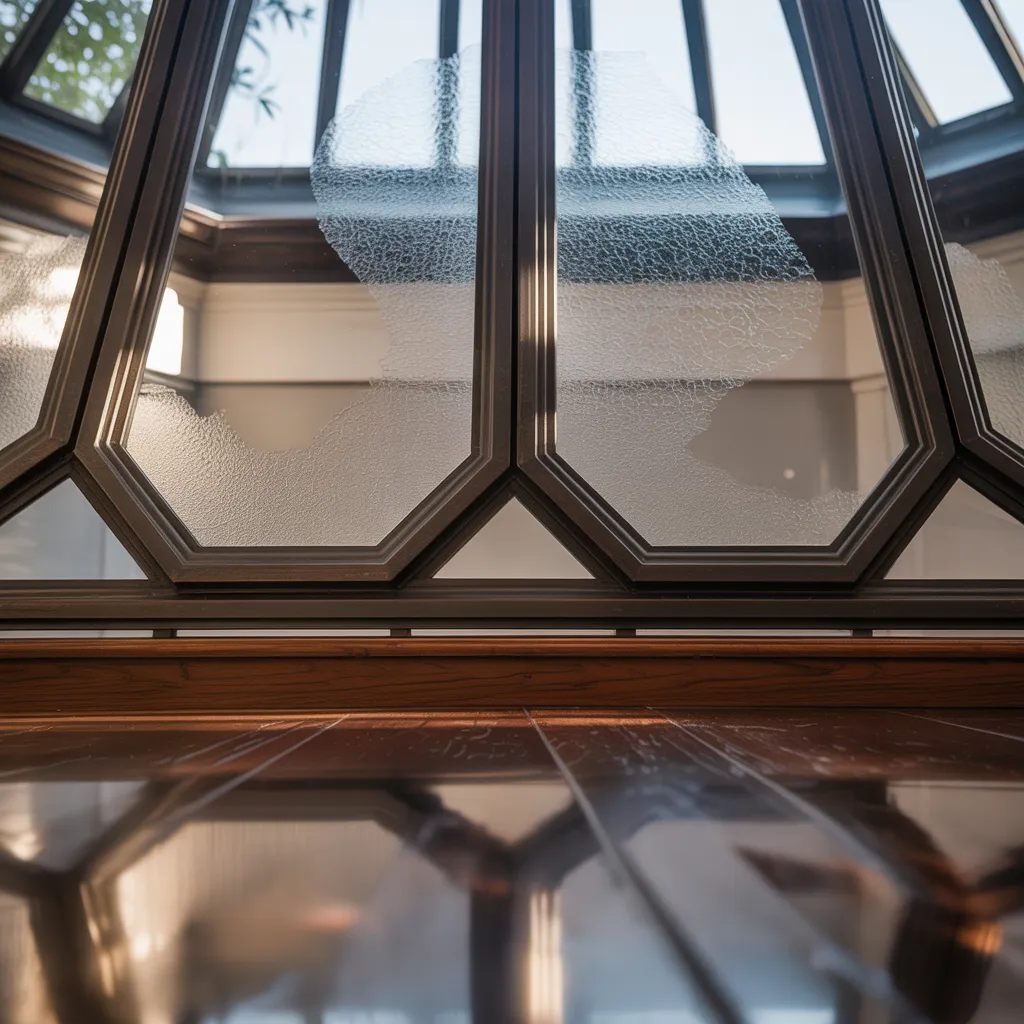
Why Skylights Make an Excellent Addition to Your Home
Skylights are capable of transforming a shadowy area into a bright, inviting area, elevating both the look and usability of the space. By allowing natural light to flood in, they establish an atmosphere of airiness and extend the apparent boundaries of an area. This boost in brightness not only uplifts mood but may also lessen the need for artificial light sources, contributing to notable savings on energy consumption.
In addition, skylights can enhance ventilation, particularly when functional options are installed, promoting airflow and creating a comfortable indoor environment. They can also serve as a distinctive architectural feature, bringing character and charm to different architectural styles.
In addition to practical advantages, skylights can elevate the overall atmosphere, creating a more comfortable living space. Homeowners may find that the integration of these features fosters a link with the outdoors, enhancing their daily living. Ultimately, skylights are a beneficial improvement that blends beauty with utility, making them a compelling consideration for any residential renovation.
Examining Different Skylight Designs
In the domain of skylights, a variety of designs deliver specific advantages for diverse applications. Fixed skylights offer a straightforward approach to increasing natural light, while ventilated skylights facilitate airflow and temperature control. Tubular skylights, on the other hand, are designed for smaller spaces, capturing and channeling sunlight effectively.
Overview of Fixed Skylights
Natural light plays an essential role in enhancing the ambiance of any space, and fixed skylights offer a stylish solution for bringing sunlight indoors. These skylights are non-operable, meaning they do not open for ventilation, yet they efficiently flood rooms with natural sunlight. Coming in a wide range of shapes and dimensions, fixed skylights can be adapted to suit a variety of architectural aesthetics, from modern to traditional. They are typically made of durable materials such as tempered glass or acrylic, guaranteeing long-lasting performance and protection against the elements. Fixed skylights additionally lower energy expenses by decreasing reliance on artificial lighting throughout the day. Ideal for hallways, living rooms, or kitchens, these skylights establish a radiant, spacious feel while improving the overall look of a home.
Advantages of Ventilated Skylights
Whereas fixed skylights supply ample natural light, ventilated skylights provide an extra benefit by facilitating air circulation and temperature management. Such skylights may be opened by hand or automatically, encouraging fresh air movement and decreasing indoor moisture. This capability can significantly enhance household comfort, particularly during the hotter months, by encouraging a more comfortable atmosphere. Ventilated skylights further support greater energy efficiency, as they help lessen dependence on air conditioning units. Furthermore, they support improved indoor air quality by enabling stale air to be released. Residents can take advantage of the combined benefits of natural light and airflow, making these skylights an ideal option for areas that need both light and climate control. Overall, ventilated skylights are a practical addition to any home.
Tubular Skylight Characteristics
Tubular sun tunnels, often called sun tubes, are a unique solution for residents aiming to optimize daylight in smaller spaces. These installations are made up of a reflective tube that funnels sunlight from a dome on the roof into indoor spaces, effectively illuminating rooms without significant structural changes. Coming in multiple sizes, they can easily fit into tight spaces such as bathrooms, hallways, and closets. These fixtures also incorporate energy-saving designs, commonly featuring insulating components to reduce heat loss. Some models include adjustable light diffusion, enabling homeowners to manage light intensity. Furthermore, they are often quicker and less costly to set up relative to conventional skylights, making them an attractive option for individuals aiming to enhance their living environments with sunlight.
What You Should Know Before Installing Skylights
What considerations should homeowners evaluate prior to installing skylights? For starters, the placement and direction of the skylight are essential. South-facing skylights are capable of introducing substantial sunlight, while north-facing full article installations deliver gentler illumination. Homeowners should additionally evaluate the roofing material and structural integrity; not all roofs can support skylight installations without modifications.
In addition, the weather plays a crucial role. In places with frequent rain and heavy snow, the design integrity and sealing methods are vital to avoid leaks and water infiltration. Energy efficiency is another concern, as faulty installation often causes significant heat loss or gain.
Lastly, local building codes and regulations should be reviewed to guarantee compliance. Consulting with professionals can provide valuable insights and help mitigate potential issues during installation. With thorough consideration of these factors, homeowners are better equipped to make well-informed decisions about their skylight projects.
Exploring the Advantages and Potential Disadvantages of Skylights
Investigating the pros and cons of skylights highlights an equilibrium between improved natural lighting and possible concerns. A key advantage is the introduction of natural light, which can create a more inviting and spacious atmosphere, potentially reducing the need for artificial lighting during the day. Skylights can also improve ventilation, assisting in managing interior temperatures and improving air quality.
Nonetheless, there are drawbacks to keep in mind. Incorrect installation may lead to leaks, which can cause mold growth and water damage. Furthermore, skylights can amplify heat absorption in warmer months, leading to increased cooling expenses. The maintenance of skylights, including seal inspection and cleaning, can also be more labor-intensive than ordinary windows. In summary, understanding these benefits and drawbacks is vital for homeowners considering installing skylights, ensuring they make informed decisions that match their individual requirements.
Skylight Challenges and How to Fix Them
Skylights serve as an excellent source of natural light in any space, but they also present various challenges. Common issues include leaks, condensation, and improper installation, which can compromise their effectiveness. Understanding these problems and their effective repair solutions is critical to keeping a skylight in proper working condition.
Common Skylight Issues
Many homeowners encounter common challenges with skylights that can affect both aesthetics and functionality. A common problem is leaking, often caused by improper installation or aging seals. This can cause water-related damage and mold formation. Another concern is condensation, which happens when warm, humid air contacts the cooler skylight surface, causing unpleasant moisture buildup. Moreover, insufficient insulation can result in energy loss, generating uncomfortable changes in indoor temperatures. Solar glare can also pose a problem, rendering rooms overly bright and contributing to the fading of furnishings and decor. Lastly, the buildup of dirt and debris can block light transmission, compromising the skylight's efficiency. Resolving these problems in a timely manner is crucial for preserving the advantages skylights offer.
Reliable Repair Solutions
Resolving typical skylight concerns calls for practical repair strategies to reinstate both usability and appearance. Leaks, a prevalent concern, often arise from improper installation or weathering. To remedy this, homeowners should inspect the flashing and seals, replacing damaged components with high-quality materials. Moreover, condensation can be minimized by securing sufficient ventilation around the area, consequently avoiding excess moisture retention. Fractured or deteriorated glass might require substitution, whereas smaller concerns can occasionally be addressed with skylight-specific sealants. Consistent care, involving cleaning and evaluation, can also diminish the probability of recurring complications. By adopting these approaches, homeowners can extend the lifespan and effectiveness of their skylights, making certain they continue to serve as an appealing and operational aspect of their properties.
How Much Does Skylight Installation Cost?
What is the typical cost of skylight installation? Skylight installation costs can differ significantly depending on a number of elements, including type, size, and complexity of the installation. On average, homeowners may spend between $1,000 and $3,000 per skylight. This price range typically covers both materials and installation labor.
Fixed skylights tend to be priced lower than openable versions, which provide ventilation. Additionally, the setup may involve structural changes, particularly if the roofing structure needs strengthening or if the skylight is installed in an established structure.
Homeowners ought to also take into account the long-range rewards, such as energy savings from natural light and decreased dependence on artificial lighting. It's advisable to obtain several estimates from contractors to guarantee a fair price and to verify their experience with skylight installations. Ultimately, understanding these costs can help homeowners make informed decisions about enhancing their living spaces with skylights.

Common Questions and Answers
Is It Possible to Install Skylights in Any Room of the House?
Skylights can be installed in a variety of rooms, including kitchens, bathrooms, and living spaces. However, considerations regarding structural integrity, moisture control, and local building codes are essential to confirm proper installation and functionality.
In What Ways Do Skylights Influence Indoor Temperature?
Skylights can significantly impact indoor temperature by increasing natural light, potentially warming spaces during sunny weather. However, improper installation or lack of shading can lead to excessive heat buildup, affecting both comfort and energy efficiency in the home.
Are There Energy-Efficient Skylight Options Available?
Absolutely, there are energy-efficient skylight choices on the market, including those with dual or triple-layer glazing, low-emissivity coatings, and adequate insulation. These characteristics improve thermal efficiency, reduce energy costs, and support consistent and comfortable indoor temperatures year-round.
What Ongoing Maintenance Do Skylights Need?
Skylights need periodic cleaning, inspection for leaks, and resealing of edges. Consistent upkeep secures optimal performance and durability, reducing moisture accumulation and damage. Homeowners should also check for debris accumulation around the skylight frame.
What Is the Best Way to Choose the Right Size Skylight for My Space?
To choose the appropriate dimensions skylight option, one must consider the dimensions of the room, ceiling height, and natural light requirements. A general guideline recommends selecting a skylight unit that occupies approximately ten percent of the floor area of the room.